
The Knowledge That Dies With the Craftsman
When Notre-Dame burned in 2019, France discovered that the skills to restore an 800-year-old cathedral existed in barely two specialist firms. We came within a generation of losing something irreplaceable — and we barely noticed.
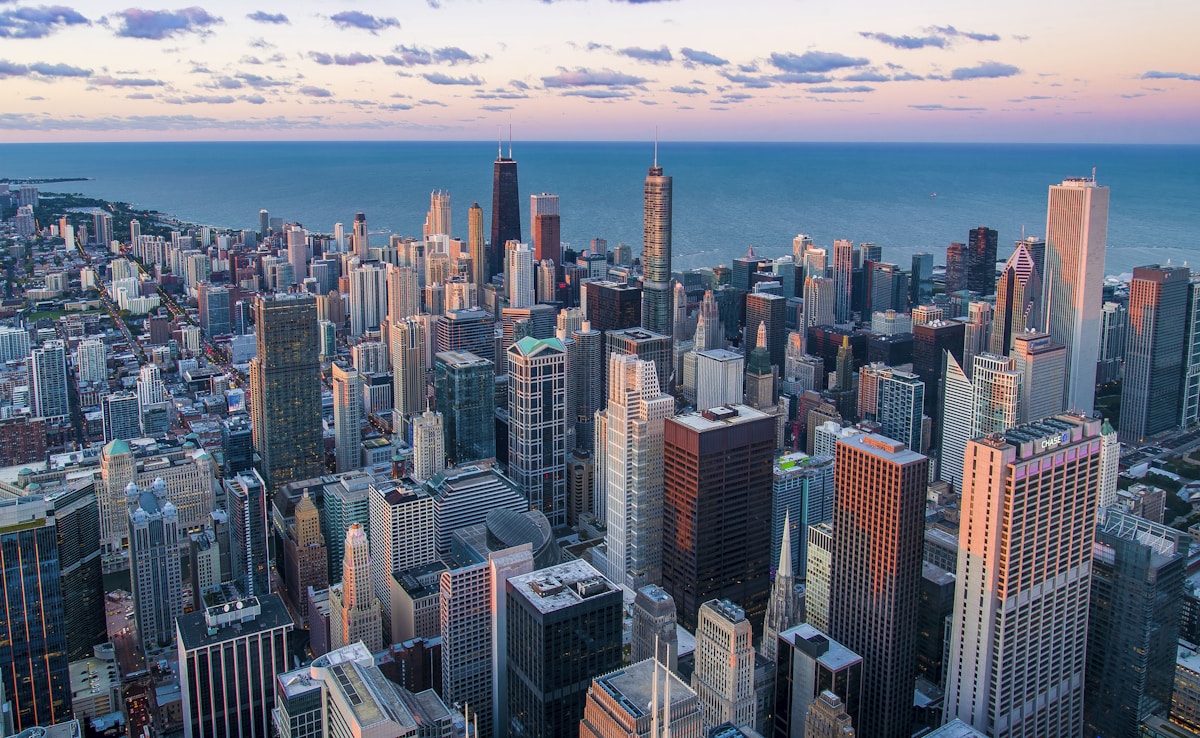
The Density Paradox: Why Dense Cities Are the Loneliest Places on Earth
In 2023, the U.S. Surgeon General declared loneliness a public health epidemic. The strange part: the loneliest people are not in rural isolation. They are surrounded by millions.
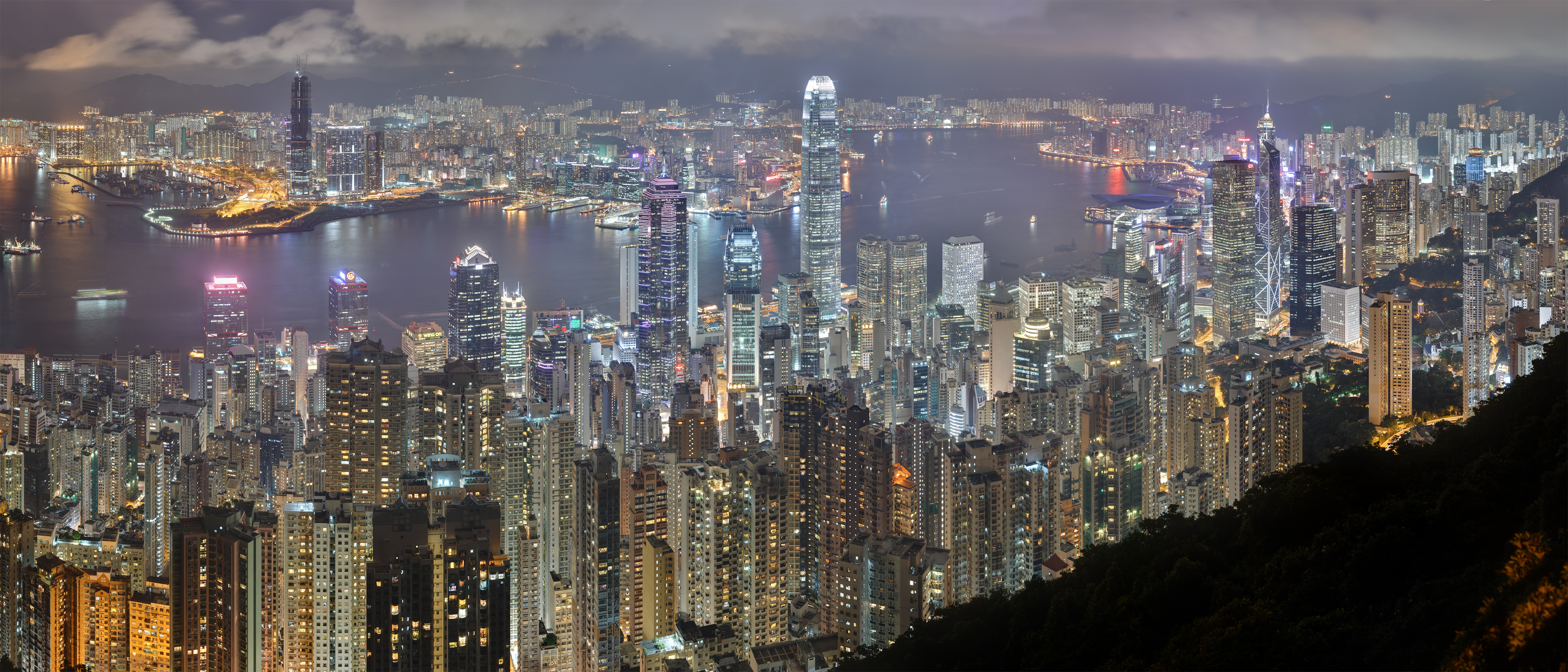
The City That Doesn't Want Children: How Building Typology Shapes Demographic Fate
Seoul's fertility rate is 0.58. Singapore's is 0.97. Tokyo's just crossed below 1.0. The world's most vertical cities are also its least reproductive. This isn't a culture story. It's an architecture story.

Your Brain Needs Nature. Modern Architecture Forgot.
The science of biophilia shows that human brains evolved in nature and pay a measurable price when deprived of it. Every major architectural tradition knew this intuitively. Modernism forgot.
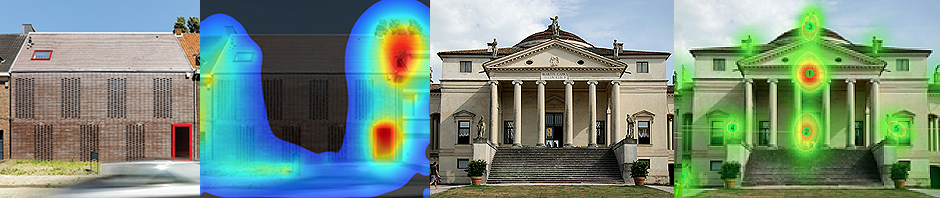
What Your Eyes Do When They See a Building (Before You Know It)
Eye-tracking studies reveal that traditional facades hold the gaze and generate rich heat maps of attention. Modern facades barely register a dot. The preference fires before you form an opinion.

Why Everything Is So Ugly: The Neuroscience of What Modernism Broke
Your brain responds to bad architecture as a low-level threat. The neuroscience is clear — and the history of how we got here is worse than you think.

The Void at the Center: What Vastu Shastra and Christopher Alexander Discovered Independently
In 1979, Christopher Alexander asked why some buildings feel alive. An Indian architect in the 5th century had already written the answer down.
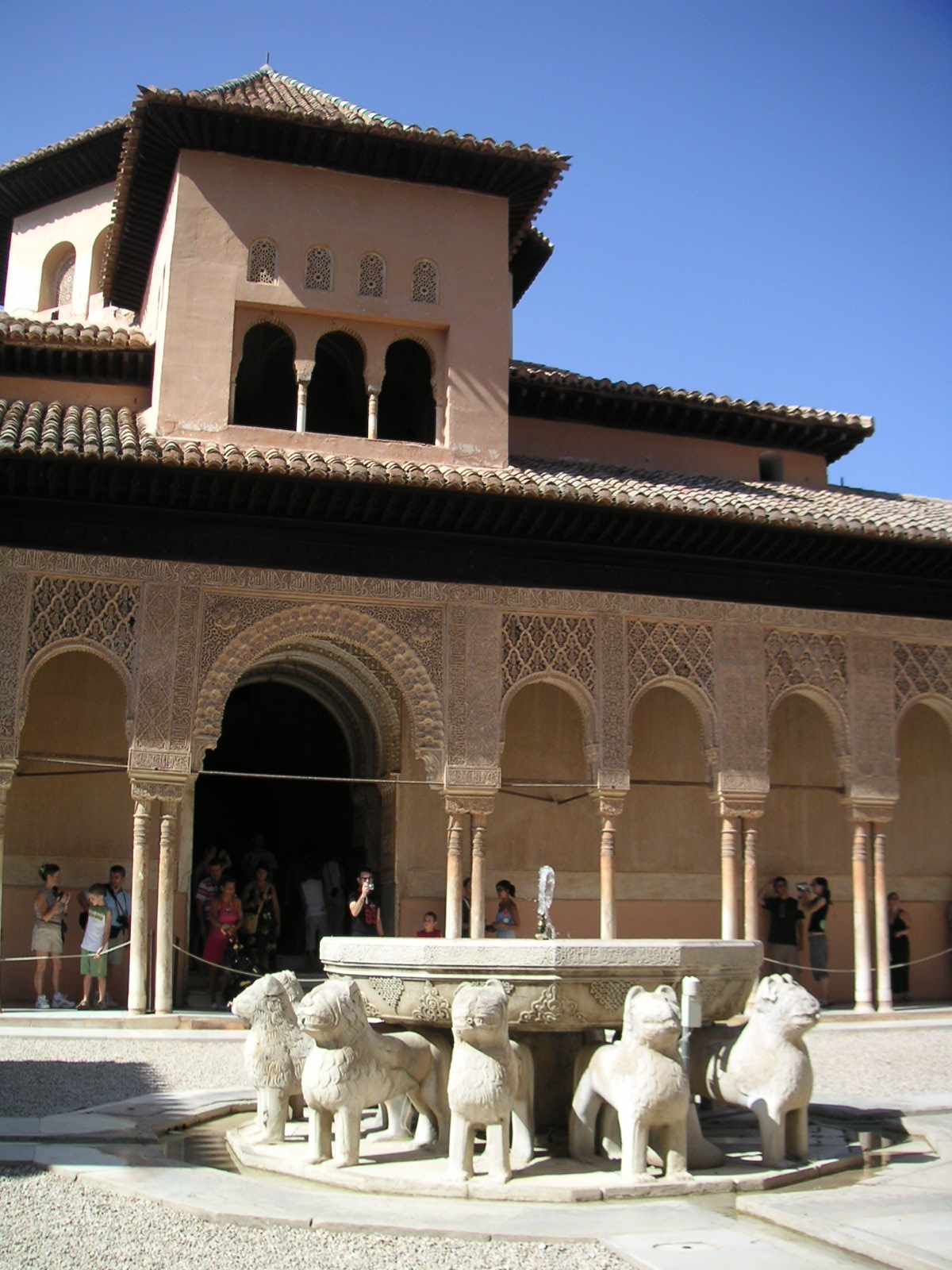
The Courtyard: 8,000 Years of the Same Answer
The oldest known courtyard was built in what is now northern Israel around 6,400 BCE. The same form appeared independently in Mesopotamia, India, China, Japan, Rome, and pre-Columbian America. Nobody copied anybody. They all discovered the same thing.

The World's Most Livable Cities Are Not the Ones You Think
Vienna. Copenhagen. Zurich. Amsterdam. Not New York. Not London. Not Shanghai. The most livable cities on earth share something the most powerful ones don't — and it's not money.

When Unconnected Civilizations Arrive at the Same Answer
Thatched roofs in Japan. Africa. India. Mexico. These cultures never communicated — yet they arrived at the same answer. When unconnected civilizations independently discover the same solution, it means something.