
Ornament Is Not a Crime
In 1910, a Viennese architect argued that ornament was morally equivalent to degeneracy. Architecture schools took him seriously. A century of buildings designed on his principles is a century of unintentional sensory deprivation — and now we have the math to prove it.
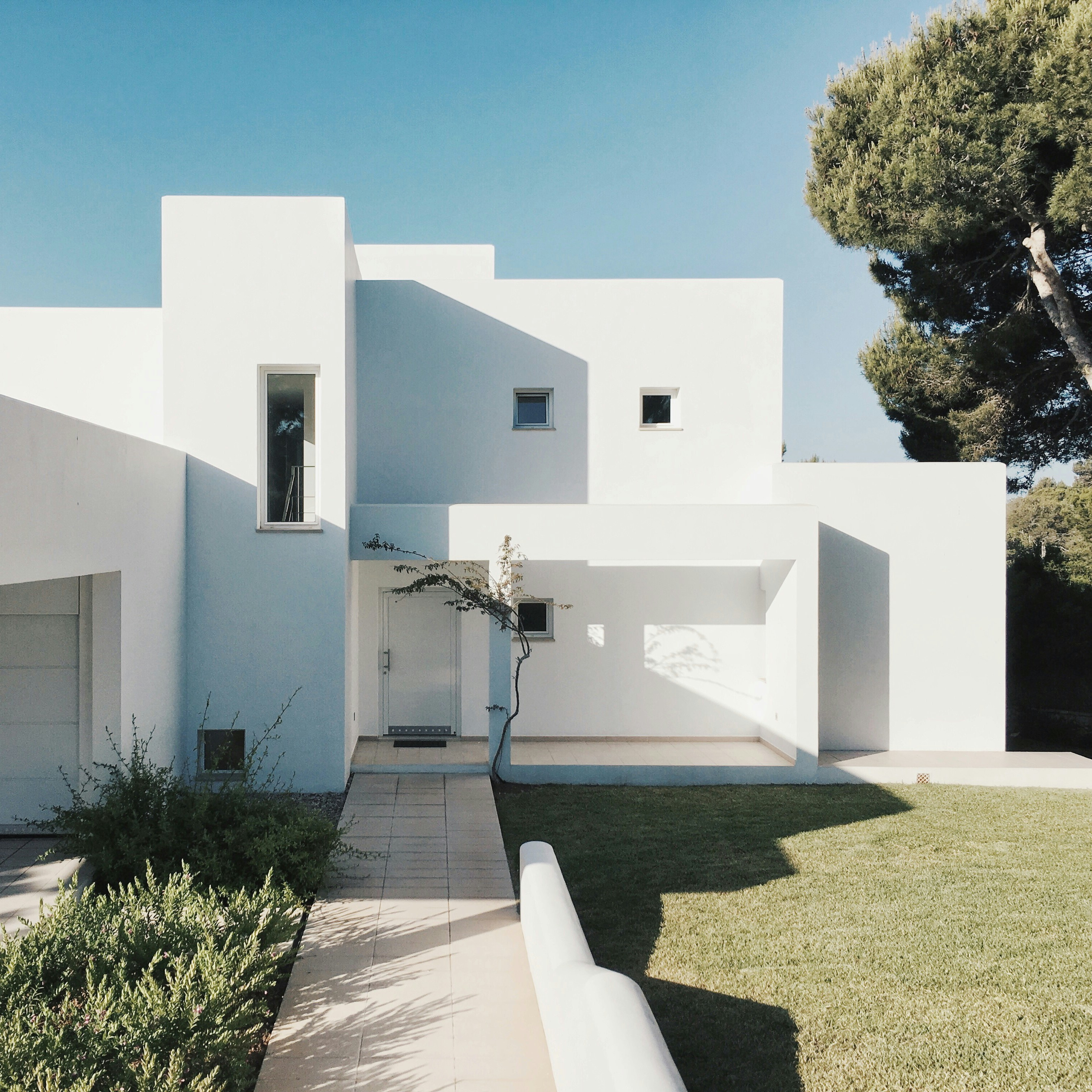
The Building That Forgot the Body
Modern architecture designed itself for cameras. The vernacular tradition it dismissed as primitive was doing something it had forgotten: building for the human body in its full sensory situation.
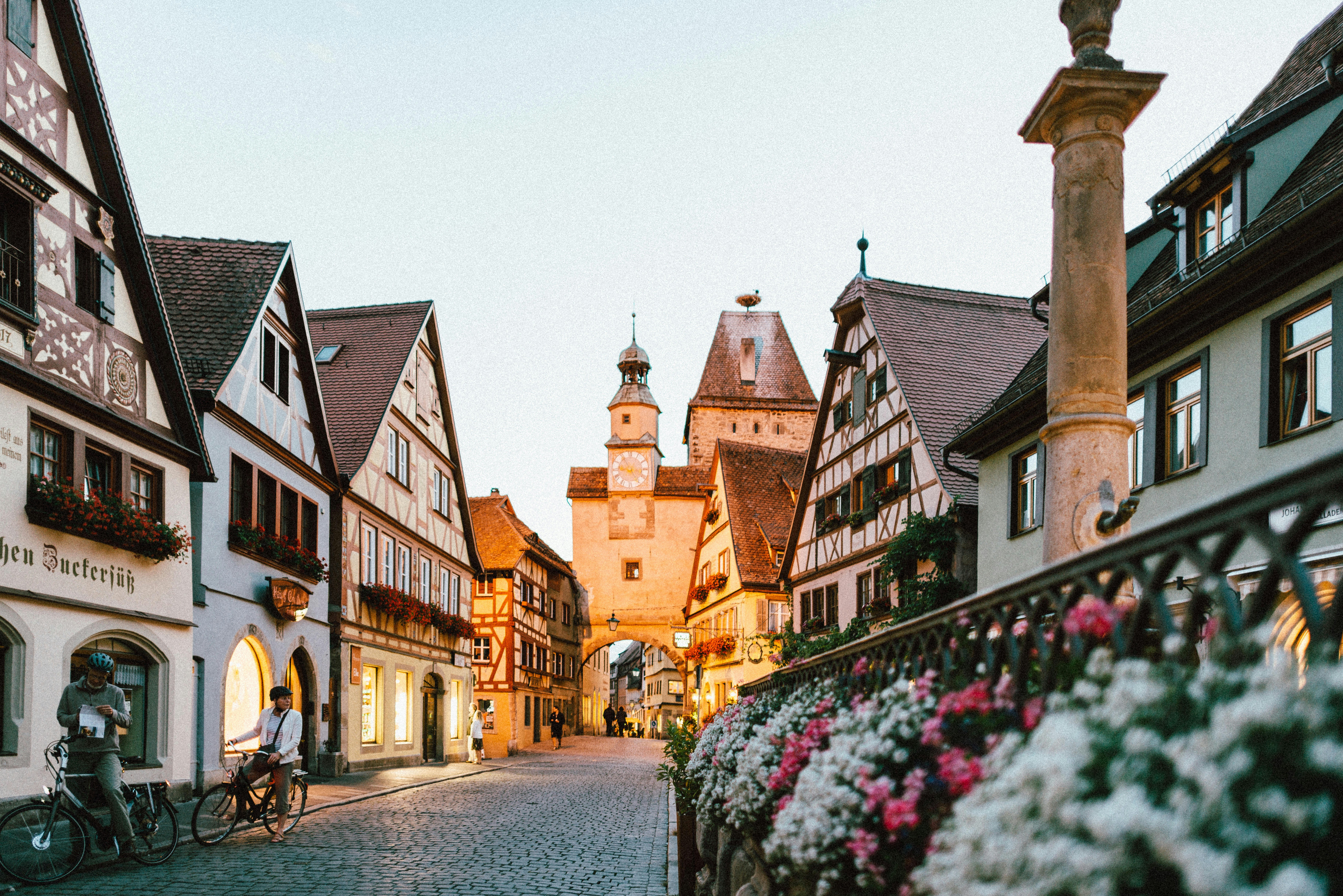
Fast Learns, Slow Remembers
Every robust system operates at multiple timescales simultaneously. The ones that fail collapse all those timescales into one. Buildings, civilizations, agriculture, software — the pattern is identical.
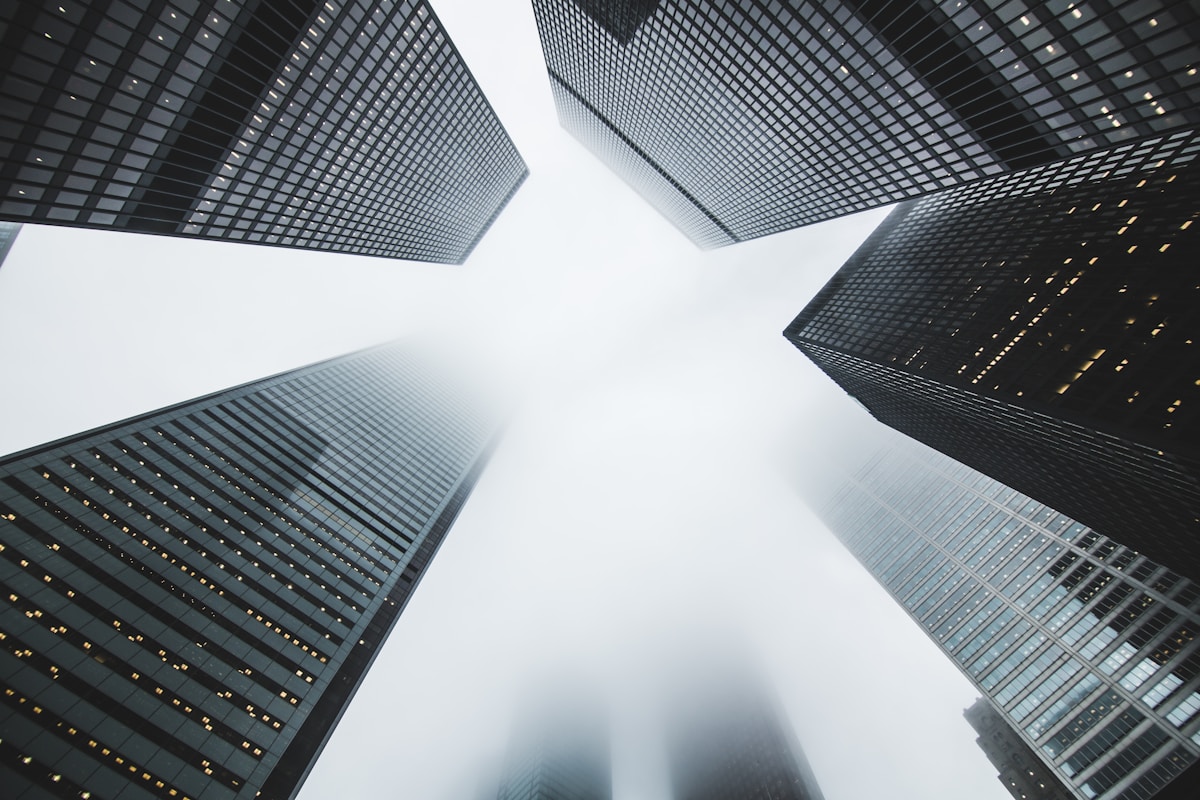
The Ownership Structure of Place
A building means different things under different ownership. Building-as-home asks: how do I live here well? Building-as-asset asks: how do I maximize the return before I exit? These are not compatible questions.

Designed to Be Photographed
Architecture is now evaluated primarily through images. This is the endpoint of a 400-year chain from perspective drawing to camera to rendering. What gets lost when you design for an observer with no body.

Why Everything Looks the Same
Architecture, food, fashion, music, language — everything is converging to the same global standard. The mechanism is the same in each domain. So is what's being lost.
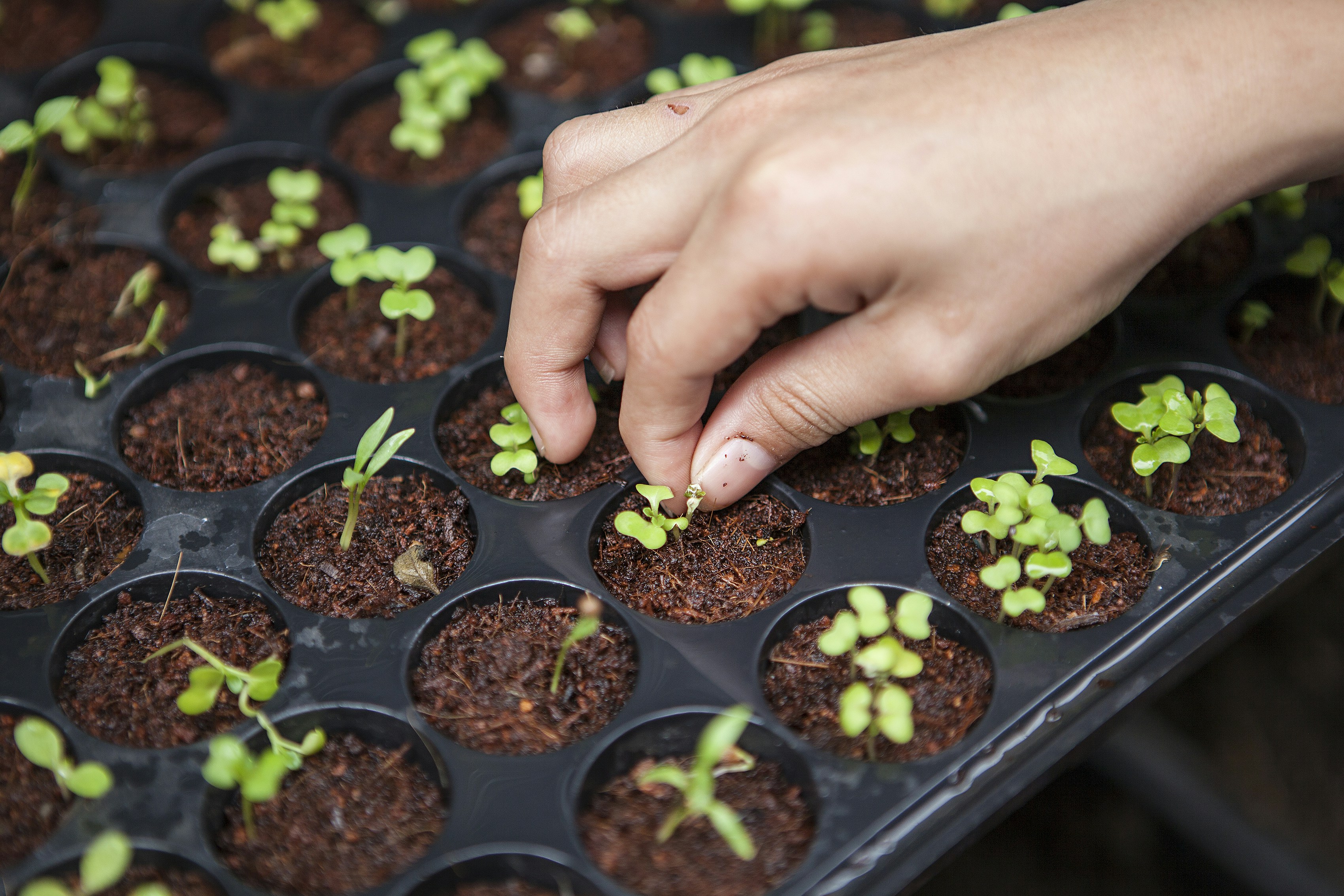
When Medicine Learns Permaculture
Two 2016 papers revised one of biology's most repeated facts. The correction revealed something deeper: the body is not a machine. It is an ecosystem. Medicine is only now learning what farmers and ecologists already knew.
Alexander's Challenge
Christopher Alexander spent thirty years asking why some buildings feel alive and others feel dead. His answer became a challenge that software engineers, farmers, and urban planners are still working out.

The Machine Metaphor
Descartes wrote that the body of a living man differs from a dead one the way a working watch differs from a broken one. That metaphor spread to medicine, agriculture, cities, and architecture — with the same result each time.
What Cities Remember
In Lucca, Italy, there's a piazza shaped like an ellipse. The shape comes from a Roman amphitheater demolished 1,500 years ago. The form survived the building. Cities work this way — until we decide they don't.

The Permaculture of Everything
A farmer in Australia, an architect in California, a programmer in Colorado, and a philosopher in Mexico all arrived at the same principle independently. None were talking to each other. The convergence is the evidence.

Designed for Everywhere, Built for Nowhere
The glass curtain wall was invented for the climate of Northern Europe. It is now the default building envelope from Singapore to Lagos to Mumbai. This is not progress. It is the architectural equivalent of planting the same crop on every soil type on earth and wondering why things keep dying.