
Efficiency Is the Enemy of Development
Everyone knows Jane Jacobs the urbanist. Almost nobody read the economist. Her counterintuitive claim from 1969: development and efficiency are opposites. Manchester was efficient. Birmingham was a mess. Guess which one survived.

The Nuclear Family Was Always an Experiment
For most of recorded history, three generations shared a roof. The nuclear family is a 75-year policy experiment. Its costs in childcare, elder care, and loneliness are now coming due.
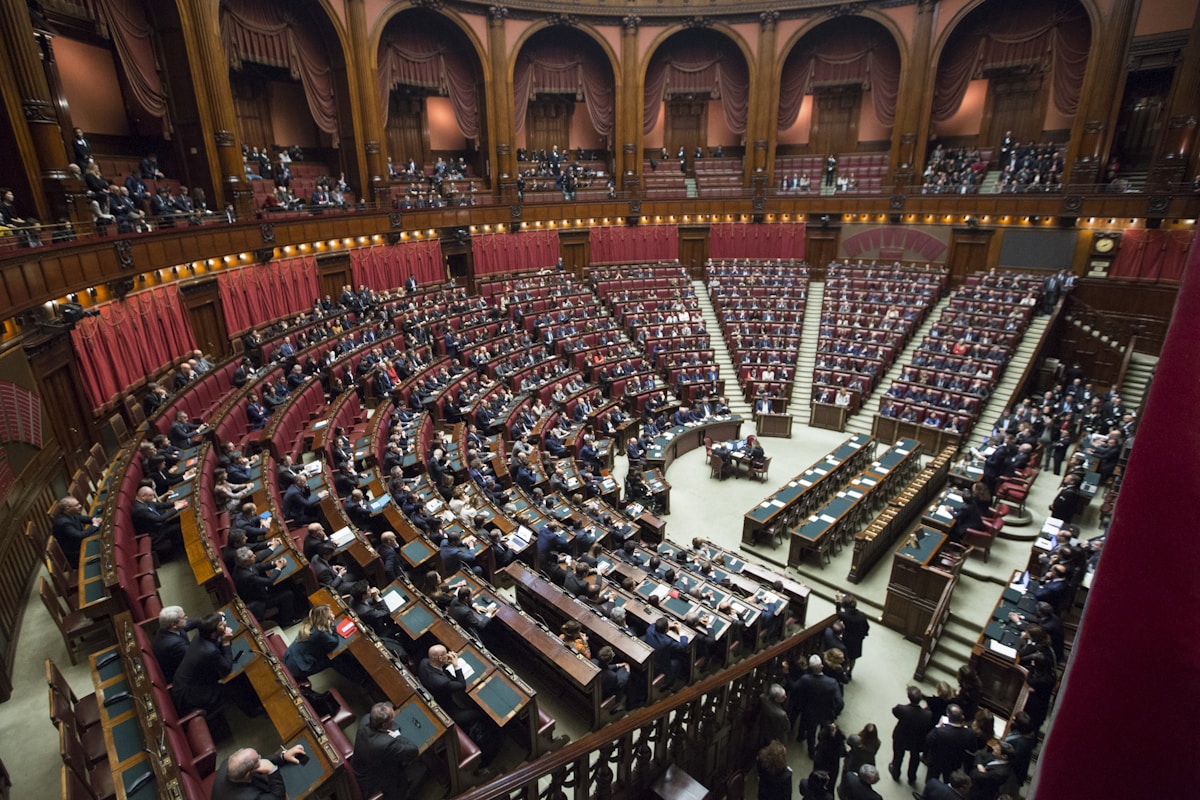
Why Good People Build Bad Institutions
Jane Jacobs identified two distinct moral systems that govern all human activity. Corruption isn't individual failure — it's structural. When you mix the two systems, virtues automatically become vices.

The Curved Line Belongs to Physics
Gaudí spent forty years proving one idea: organic forms are engineering solutions, not decoration. Nature has already solved the problems architecture faces. The twentieth century chose not to look.
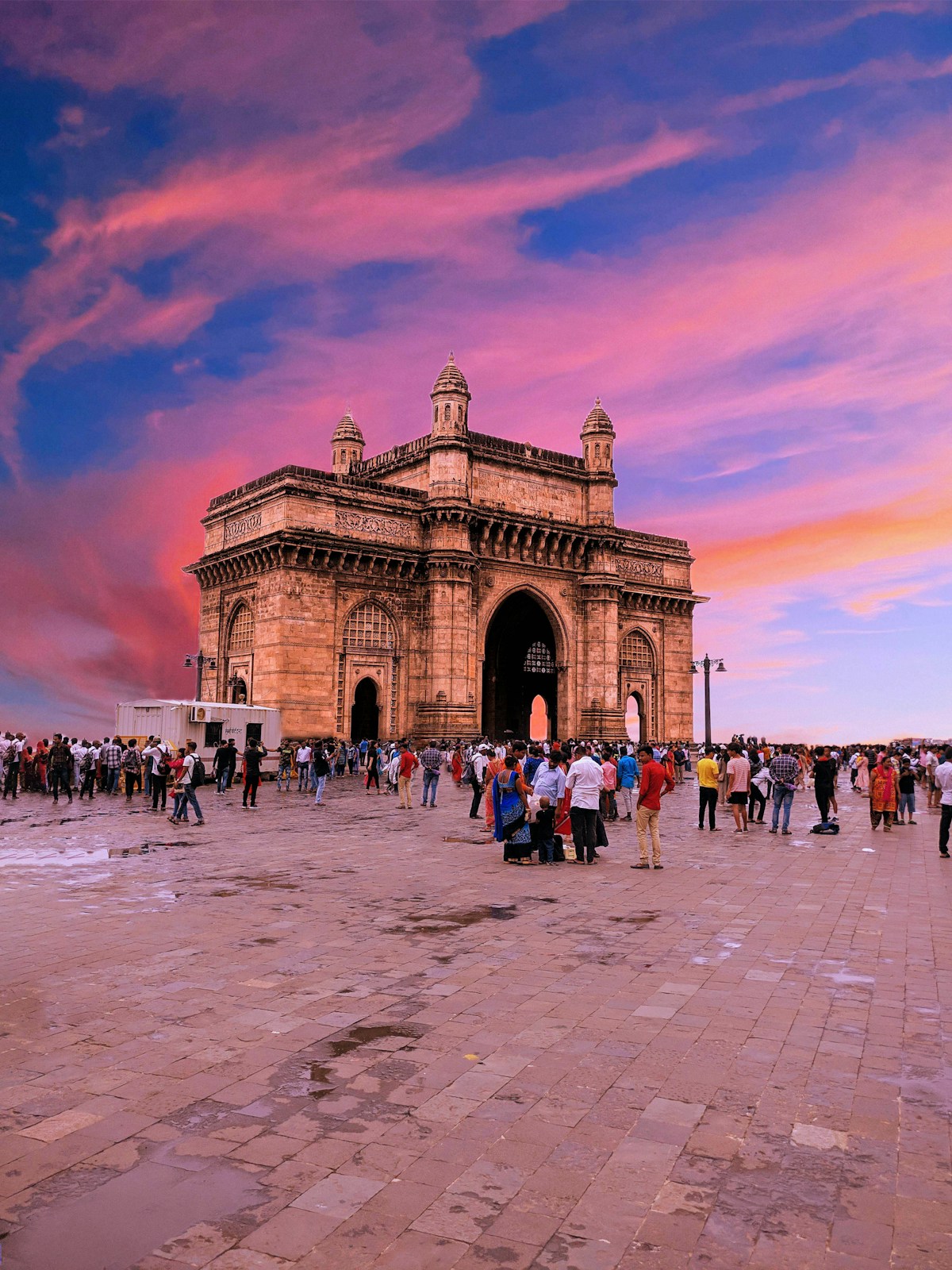
Nobody Was Watching
New York City gave developers extra floor area in exchange for public plazas. 166 were built. Most were empty. In 1970, a journalist set up time-lapse cameras and watched. What he found contradicted everything urban designers believed.

The Building Made Us Nearsighted
A 66 percent increase in nearsightedness in three decades. The culprit was not screens or books. It was the building — and what it did to the one thing the eye needed most.

Time Is the Material
Traditional buildings age into beauty. Modern buildings age into ruin. This is not a maintenance problem. It is a philosophical difference about what time is for.
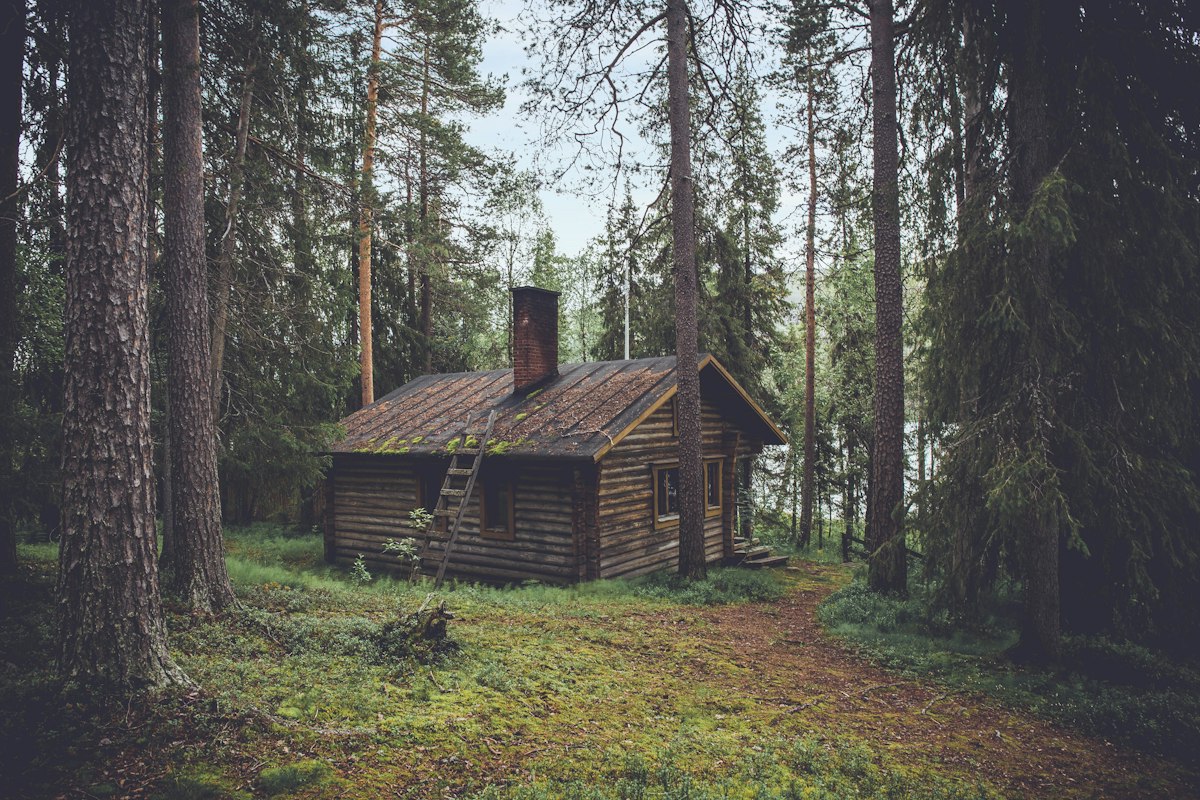
What the Building Knows
Every traditional building form is a solved equation. The diversity of vernacular architecture is not cultural variation. It is compressed ecological intelligence — and we demolished it thinking we were building something better.
The Laboratory State
Switzerland has ranked first in the Global Innovation Index for 15 consecutive years. The same country passed an immigration referendum by 19,526 votes that destabilized its EU treaties. These are not contradictory facts. They are the same phenomenon.

The Town That Couldn't Be Sold
The most resilient small towns on earth share one structural feature: the owner cannot leave. Not a policy. Not a subsidy. A form of ownership that ties capital to place. Germany's hidden champions demonstrate the principle. So does every other place that stayed.
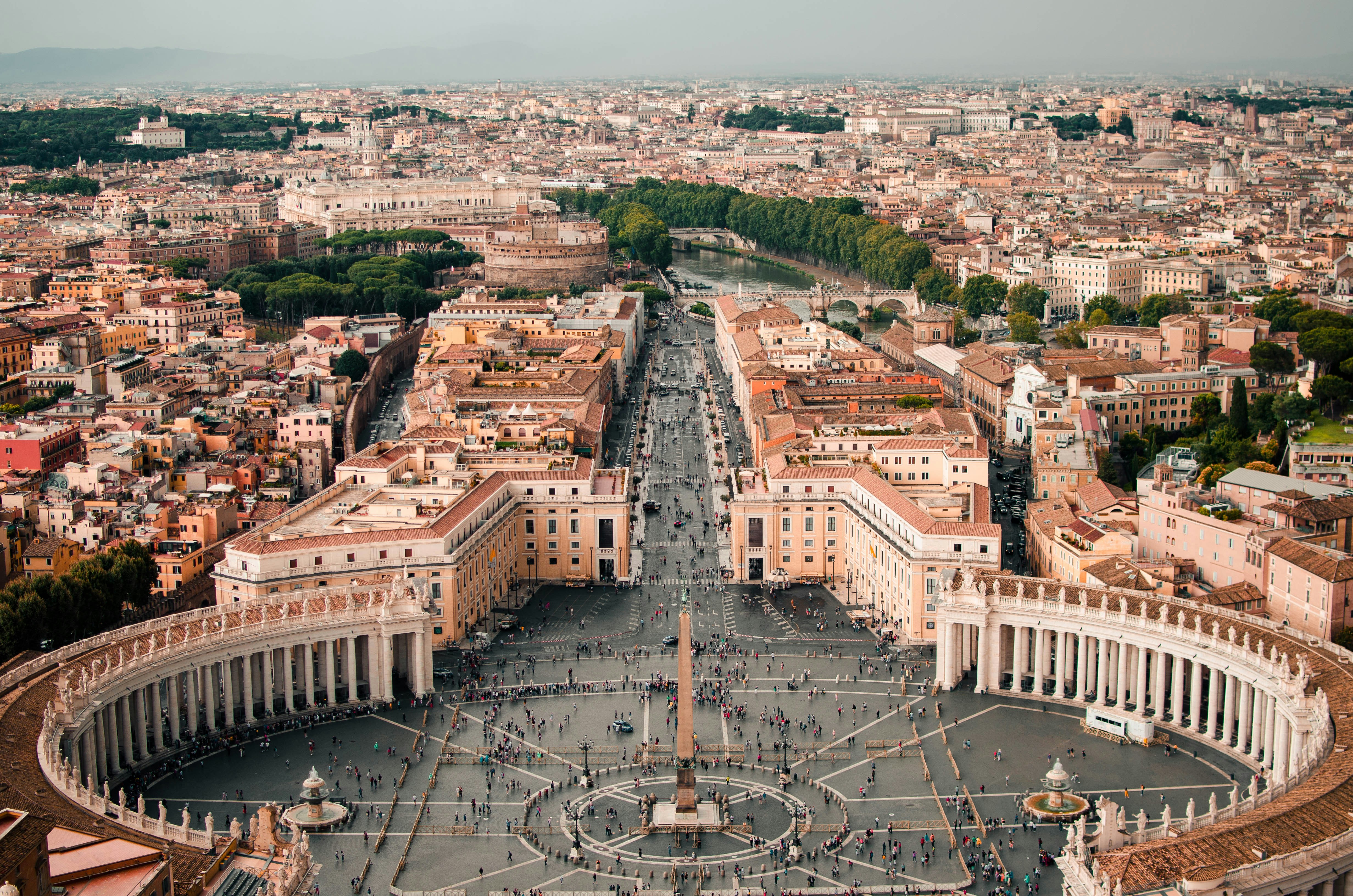
What Cities Remember
There is a piazza in Lucca shaped like an ellipse. The ellipse has been there for 2,000 years. The building that made it has not. This is what cities do that buildings cannot. They remember.
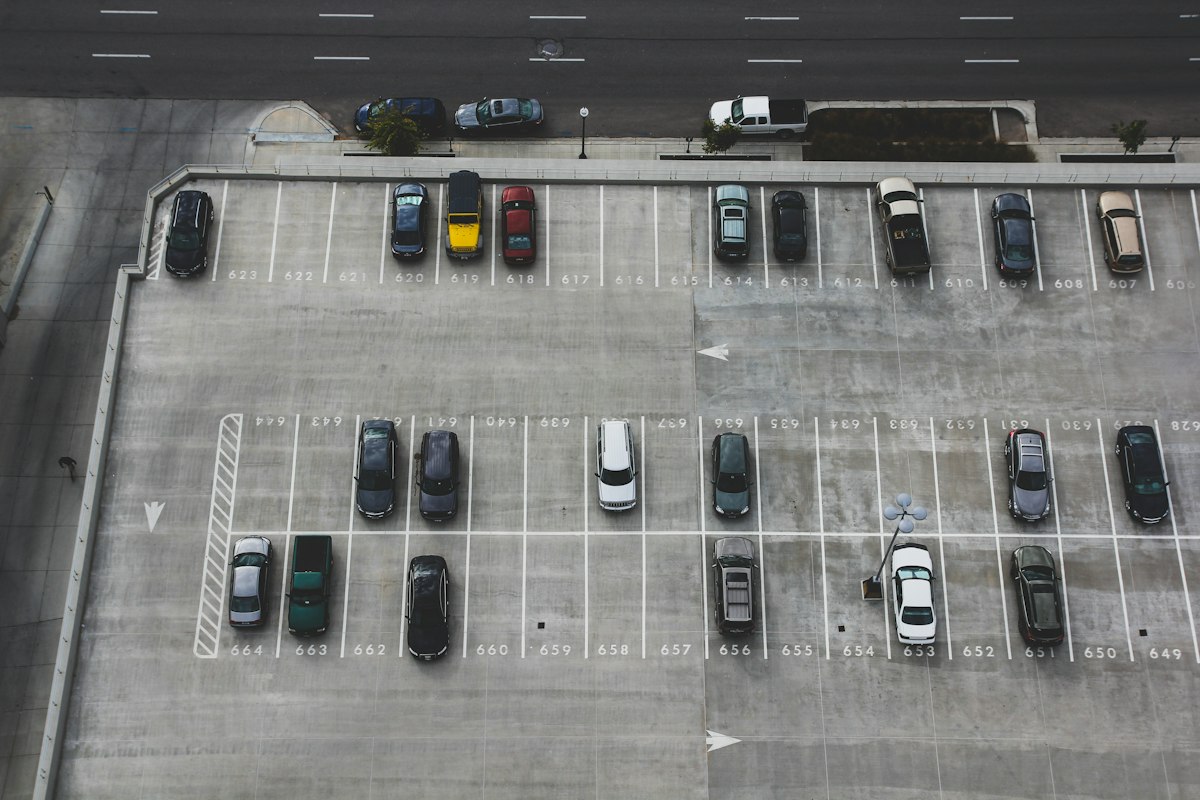
The Bill No One Put on the Balance Sheet
Post-WWII suburban development looked like growth. It was actually deferred debt. The infrastructure maintenance obligations far exceed what the tax base will ever generate — and most cities can't see the bill coming.